Overview
[Back]Jua is a frontier AI lab that provides energy traders with forecasting intelligence. I owned the strategy and design of v2 end-to-end.
Product
- B2B
- SaaS
Team
- Engineers
- Stakeholders
- Product Management
Role
Lead Product Designer
Fig. 1 A race against time
Forecasts are only worth what a trader does with them in 15 minutes or less. I designed v2 around the fastest path from signal to decision.
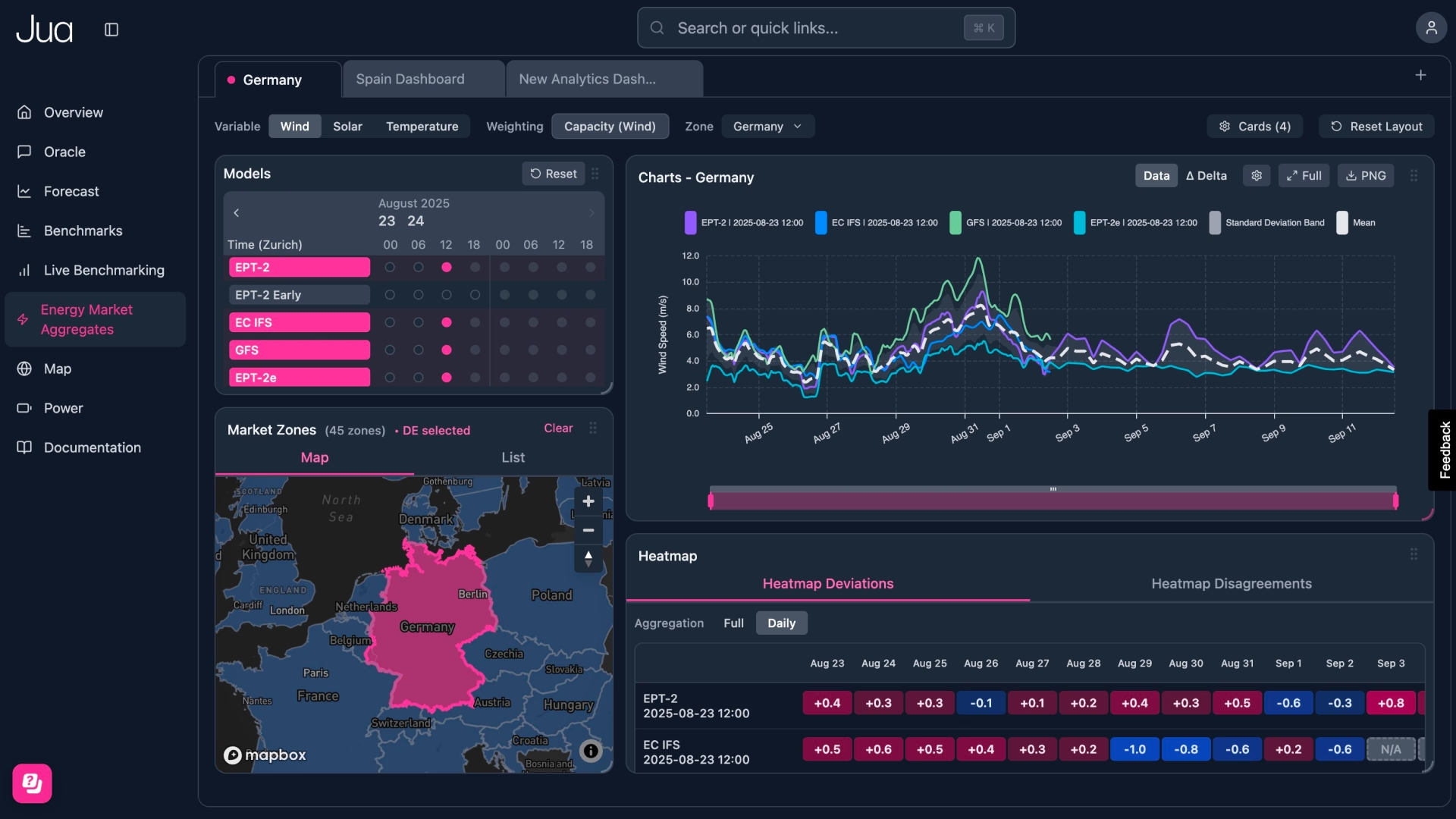
Fig. 2 Beyond the data
The team’s user-research recordings showed the model was half the product. Judging whether to act on a forecast was the real bottleneck.
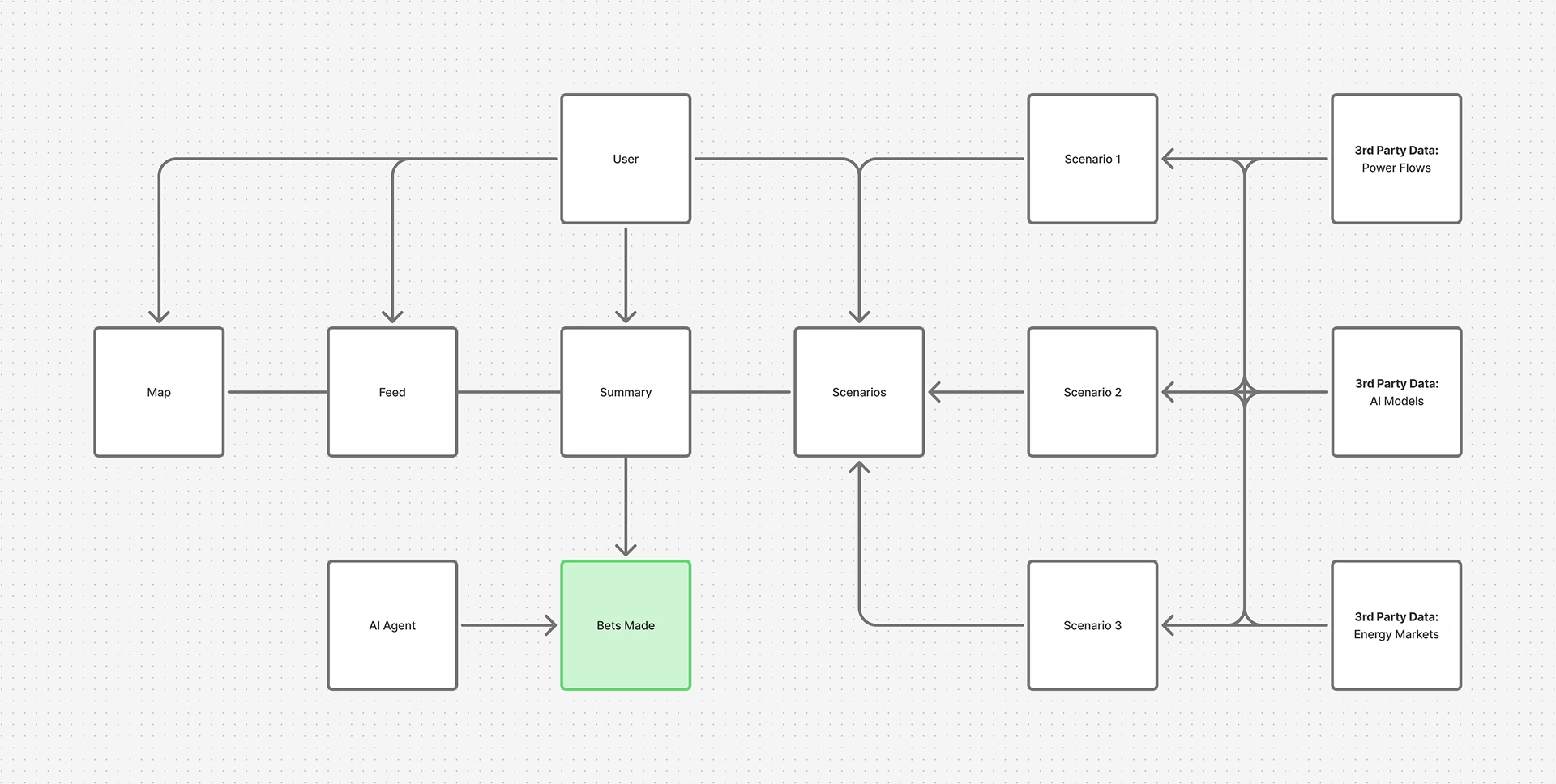
Fig. 3 Finding purpose
Every surface had to pay rent: remove manual work, support a decision or make the model easier to question. What couldn’t was cut.
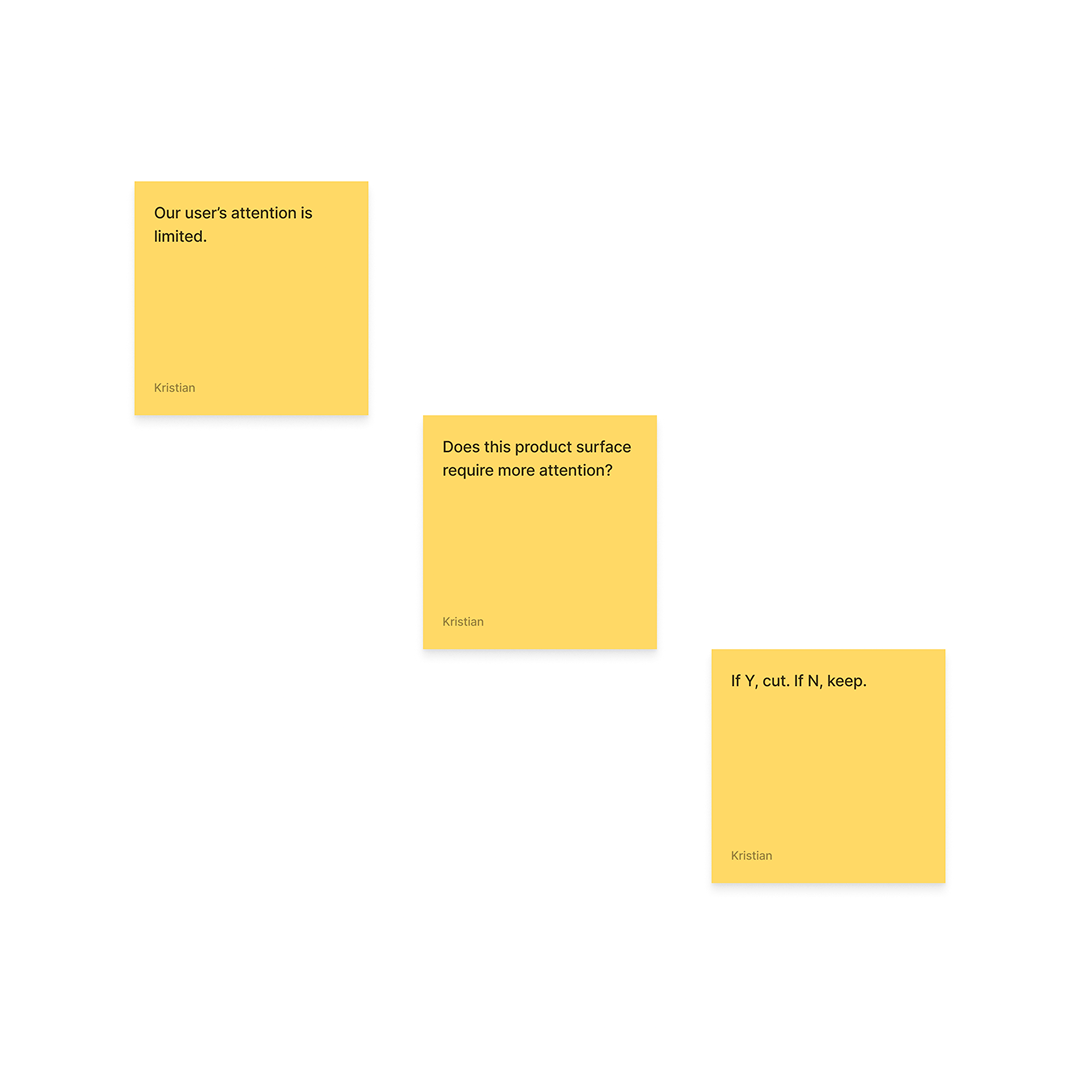
Fig. 4 Understanding resources
Attention was the binding constraint; traders had none to spare. Anything that slowed traders or the ship date was out. 3 concepts were cut.

Fig. 5 Paradox of choice
Widgets were popular in early discussions. But configurable dashboards spend the one resource traders lack: time to synthesise. I cut them.
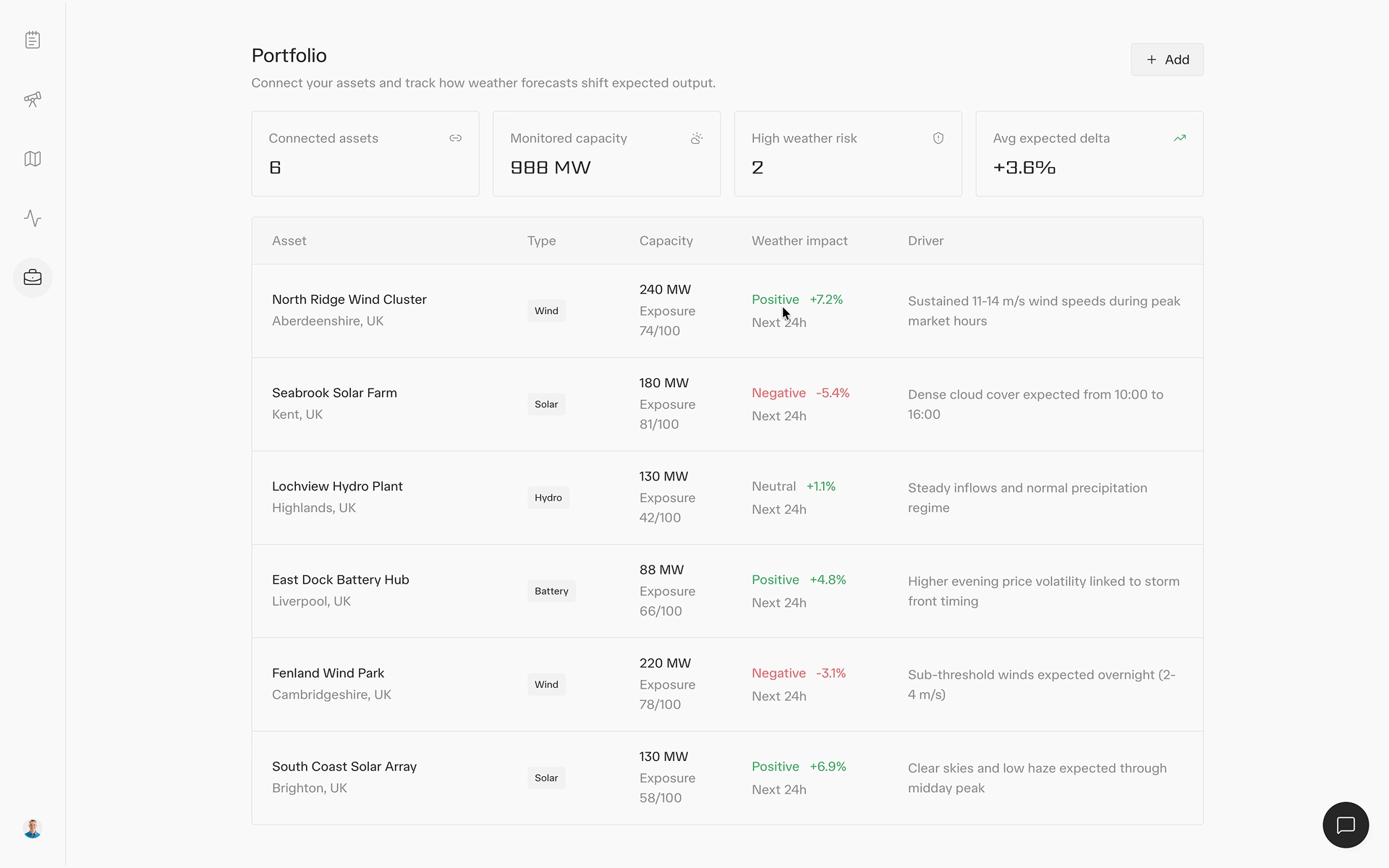
Fig. 6 Addressing feasibility
The portfolio surface bridged a forecast to P&L. Operations flagged adoption cost, sensitive data and maintenance, so I parked it for later.
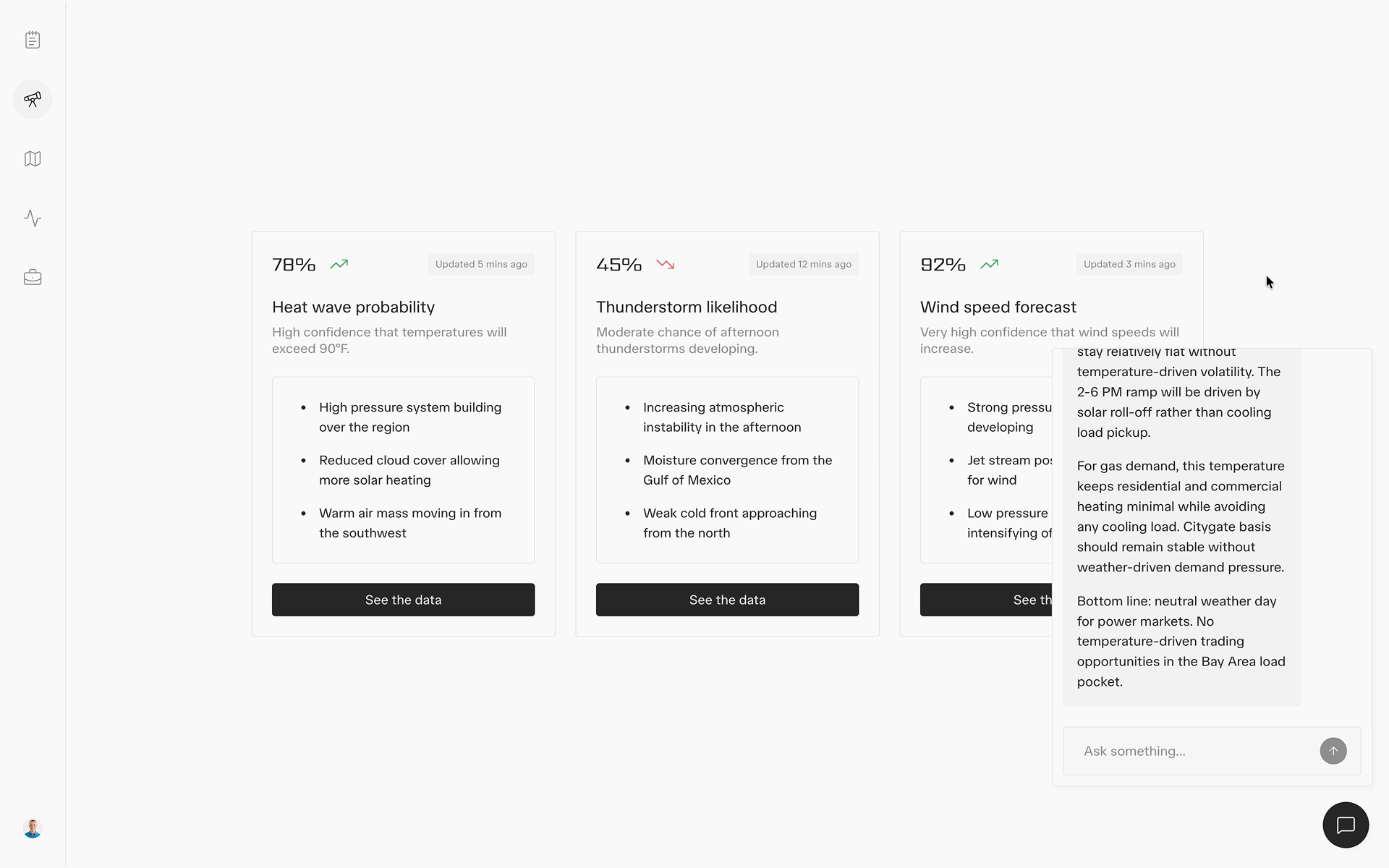
Fig. 7 A better workspace
An AI modal was the wrong form factor. Traders compare scenarios and interrogate reasoning, so I gave the AI a dedicated workspace instead.
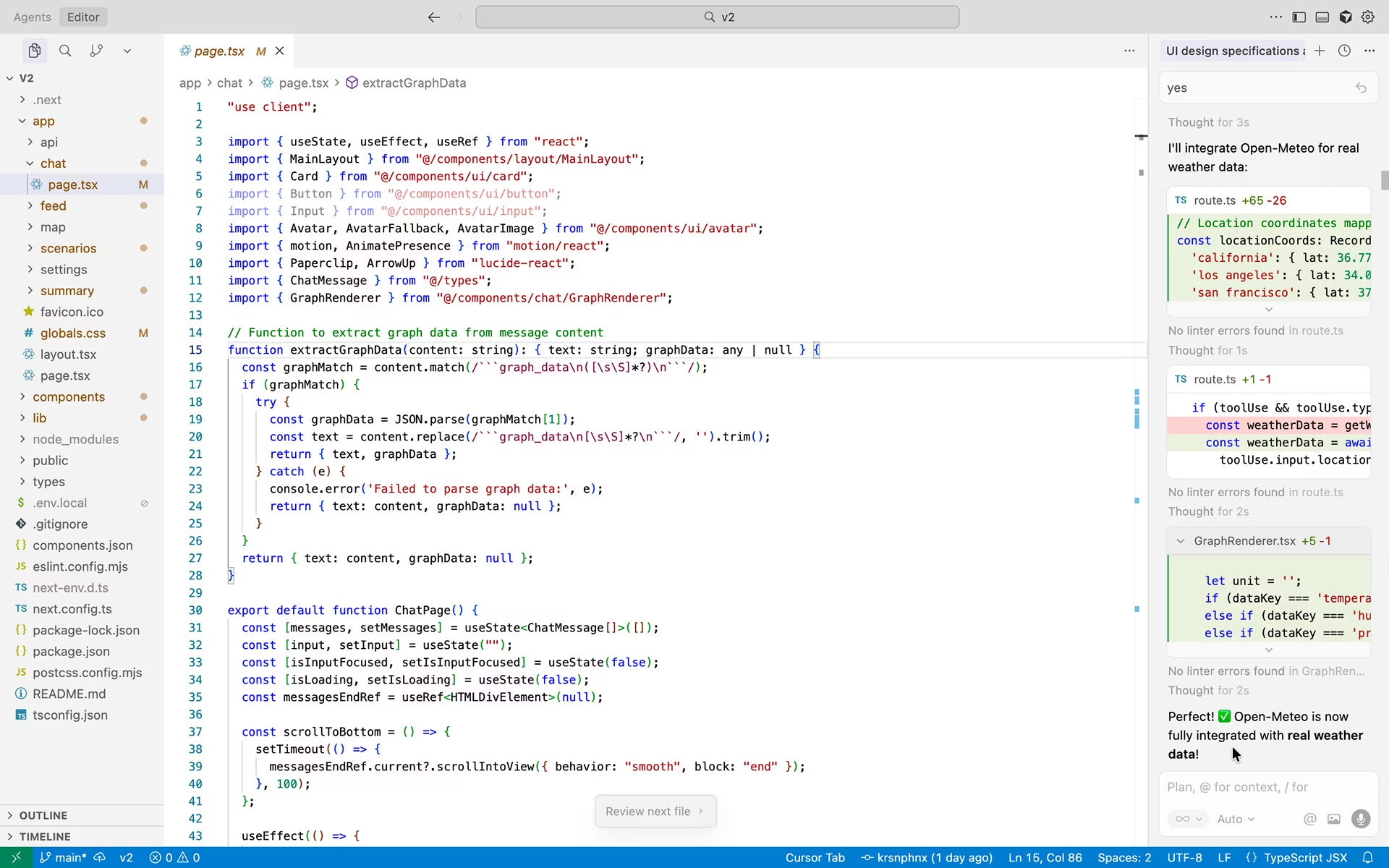
Fig. 8 From 0-1
v2 became 5 responsive surfaces, each with one job. I built the design system and entire prototype in code, using Cursor and ShadCN/UI.
Fig. 9 Getting oriented
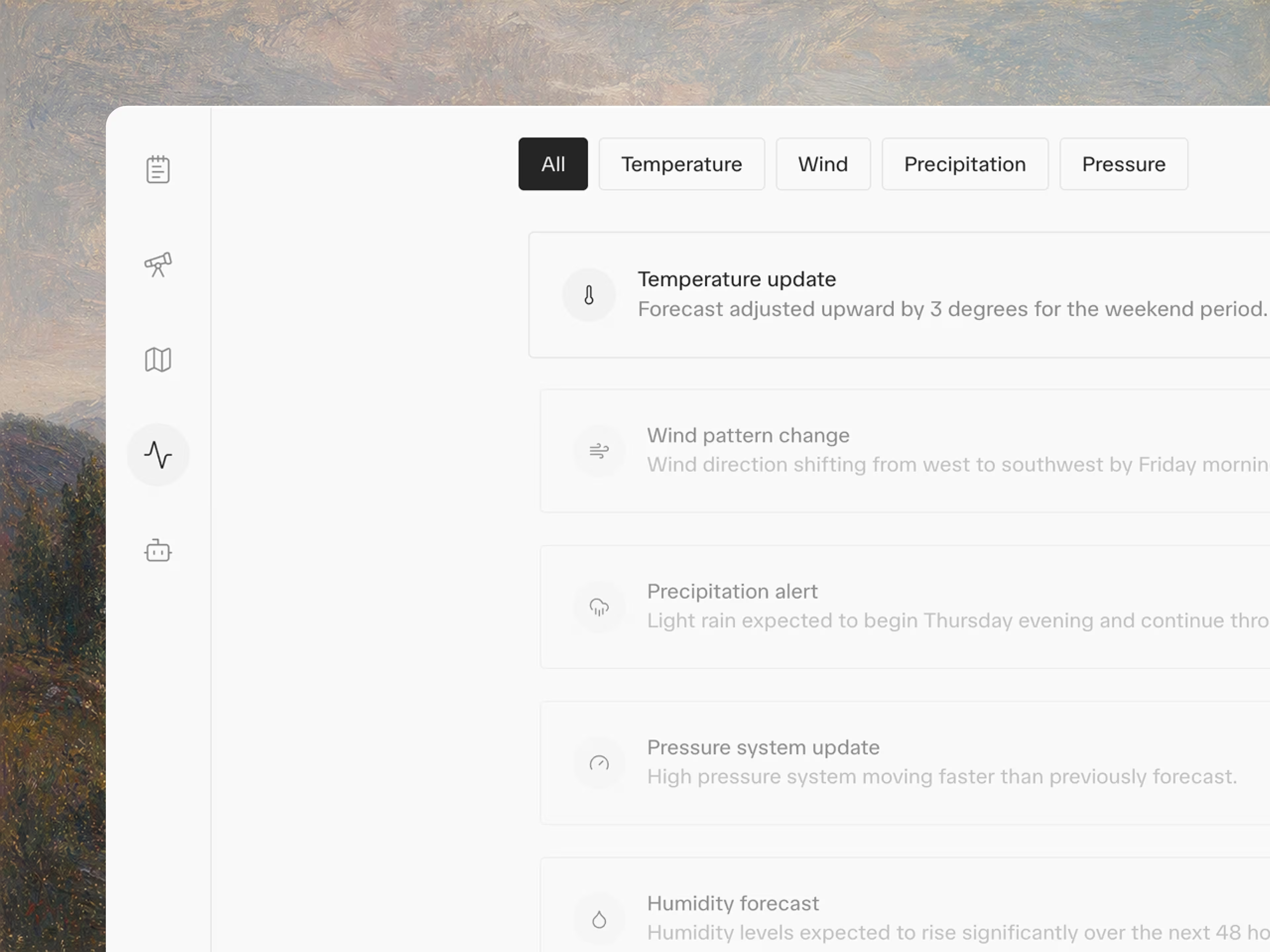
The summary is the model’s first read on what matters and why. Detail stays 1 click away; nobody digs through raw output to get oriented.
Fig. 10 Comparing futures
Scenarios puts forecast paths side-by-side with a confidence score I proposed. Traders compare possible futures instead of betting on one.
Fig. 11 Geospatial reasoning
I improved v1’s map, which shows where a signal sits and which assets are in its path. Traders judge nothing until they know the where.
Fig. 12 Finding signal
The feed’s job is triage. It surfaces changes worth a trader’s minutes and drops the rest, a judgement most tools push back onto the user.
Fig. 13 Agent transparency
The AI Workspace is where retention starts: interrogation builds trust, insights provide value. Traders question the LLM’s reasoning here.
0
static handoffs
44%
scope reduction
≤100%
inspectable AI
v2’s engineering blueprint was the prototype itself; because the design was already running in code, decisions survived to production without translation. The chat modal I advocated for was convenient rather than robust, and traders’ hardest questions exposed that quickly. They became the bar every later surface had to clear: an eval set in all but name.
To see the full version:
hi@kristianphoenix.comBack to top
[↑]